
Farming Forward
Regenerative Agriculture at Ashton Creek Vineyard
The first vineyard in Virginia to earn Certified Regenified™ status.

Because great wine starts below the surface.


Regenerative farming is an approach to agriculture that focuses on restoring and improving the health of the land over time.
Rather than relying on synthetic inputs or short-term solutions, it works with natural systems—building soil health, increasing biodiversity, and creating a self-sustaining ecosystem.
It’s about more than just maintaining the land.
It’s truly leaving it better than we found it.
What is Regenerative Farming?
Healthy soil is the foundation of everything.
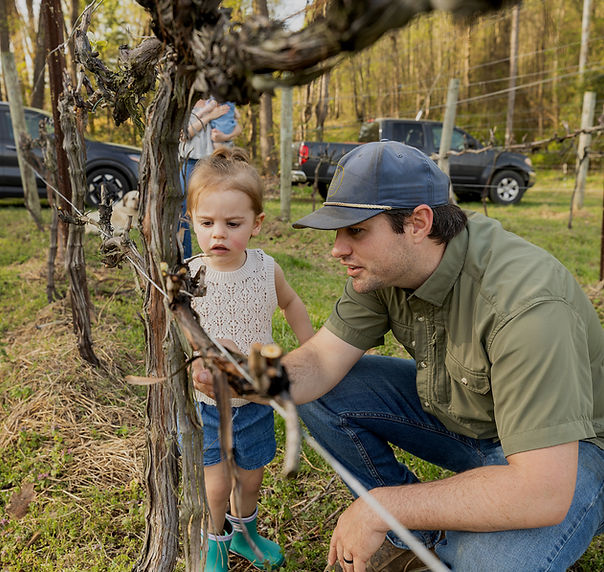
When soil is rich in organic matter and alive with microbial activity, it holds water more efficiently, supports stronger vines, and reduces the need for outside inputs. It also helps capture carbon and build resilience against extreme weather.
For us, that means farming in a way that benefits the environment, strengthens the vineyard, and ultimately leads to better wine in the glass.
As a family-owned and operated vineyard and winery, it also means something more—caring for this land in a way that ensures it’s thriving for the next generation.
Why it Matters?

Photo by Tyler Mahal Photography
It Starts with the Soil
At Ashton Creek Vineyard, we believe the best wines aren’t made—they’re grown. And that growth begins beneath our feet.
Regenerative farming is more than a philosophy. It’s a commitment to restoring the land, improving soil health, and creating a self-sustaining ecosystem where vines, animals, and nature work together.
This approach not only protects the land, it strengthens it for generations to come.

Ashton Creek Vineyard and Riverside Vines are proud to be the first vineyard operations in Virginia to earn Certified Regenified™ status.
This certification recognizes measurable progress in soil health, ecosystem function, and long-term sustainability.
The process included over a year of documentation, third-party testing, and a full-day on-site inspection—culminating in a Tier 3 ranking, with a commitment to continuous improvement.
This is a standard we’re held to.
A First for Virginia
Our regenerative journey began with a challenge.
After a difficult 2018 growing season marked by excessive rainfall, we began asking a different question—not how to control the vineyard, but how to work with it.
By 2020, that question became a shift in practice:
-
Moving away from synthetic inputs
-
Reintroducing biodiversity
-
Letting the land lead
What started as a response became a new way forward.
Where it Began
A Living System
We’ve built a system where each element supports the next.
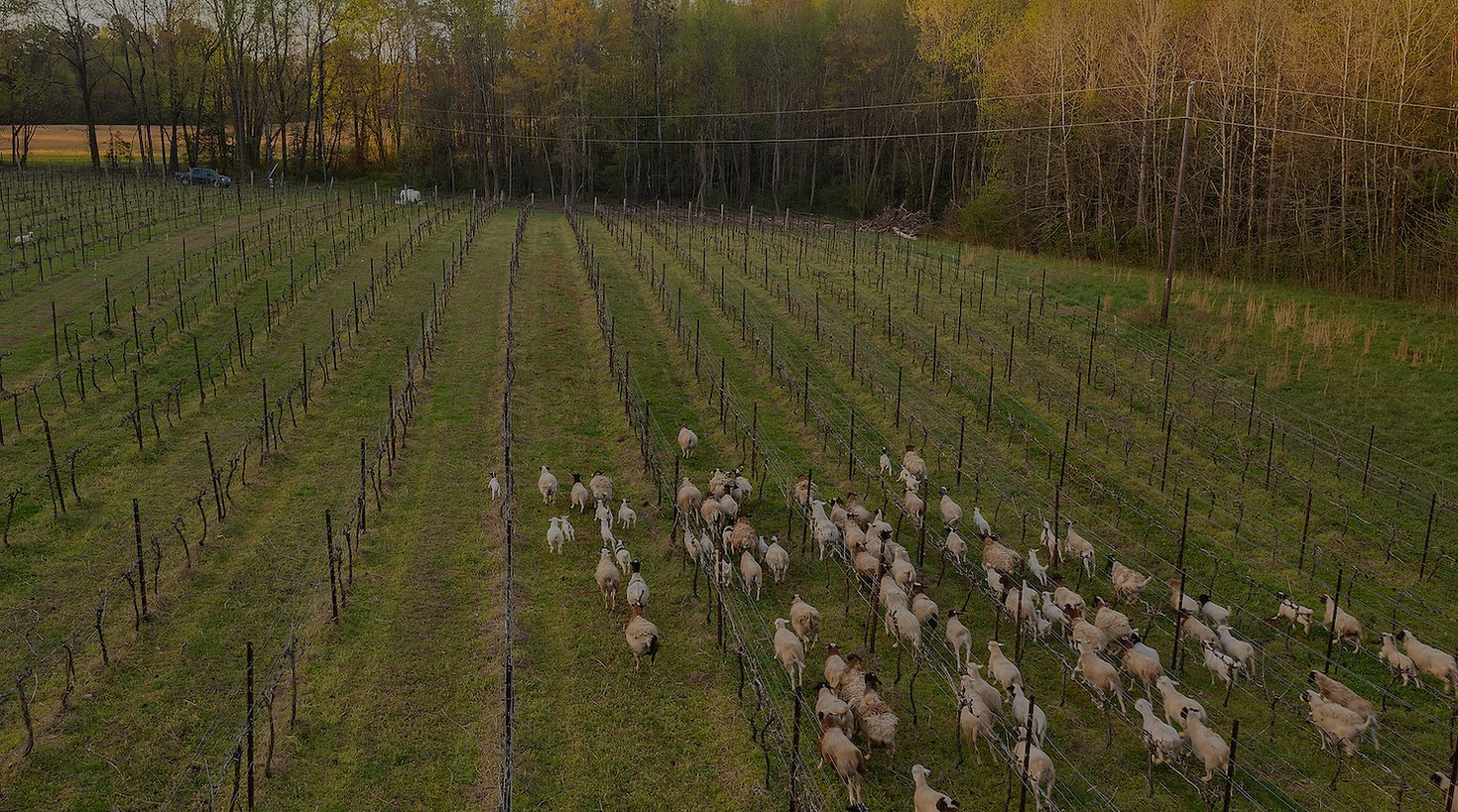
We’ve introduced 23 varieties of grasses and legumes to naturally build organic matter and improve soil structure. Our flock of nearly 100 sheep moves through the vineyard, fertilizing and managing vegetation as part of a carefully managed rotation.
We’ve eliminated synthetic fertilizers and insecticides, allowing the ecosystem to do the work. We no longer rely on irrigation, trusting healthier soil to retain moisture and support the vines.
Every element works together—creating balance rather than dependency.


Measured Impact
Regenerative farming is measurable.
Soil organic matter has increased from less than 0.8% to approximately 2.4%. The vineyard has operated without synthetic fertilizers for two consecutive years and without the use of insecticides in the past growing season.
Healthier soil leads to healthier vines—and ultimately, better wine.

“For us, regenerative farming is about building a system where the vineyard speaks for itself,” says Winemaker Alan Thibault.
When the fruit is balanced and expressive, there’s less need to intervene in the cellar.
The result is wine that reflects the land as honestly as possible.
Less is More

A Circular Farm
Our regenerative approach extends beyond the vines.
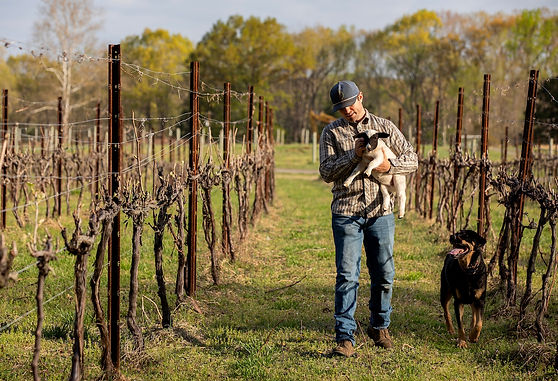
Lamb raised on-site is part of the system—featured in tasting room offerings and available to wine club members.
It’s a full-circle model: land, animal, vineyard, table.
A system designed to sustain and to give back.

Photo by Tyler Mahal Photography
For the Next Generation
As a family-owned vineyard, our goal is simple: to leave the land better than we found it.
Regenerative farming allows us to build something enduring—an ecosystem that will continue to thrive for future generations.
We steward today’s harvest.
We shape tomorrow’s vineyard.
What's Next
We’re continuing to push forward, working toward Tier 5 Certified Regenified™ status and expanding these practices across our entire property.
Because the work is never finished.